Which Short Legal Medical Dramas Are Worth Watching?
For tight, fast-paced legal medical dramas, pick your preferred brand of conflict first: a physician grappling with public betrayal, an undercover surgeon tangled in legal scrutiny, or a forensic specialist pushing back against questionable digital evidence. These compact stories deliver sharp medical tension paired with high-stakes legal consequences, perfect if you crave that overlapping drama of medicine and justice without sinking hours into a full-length series.
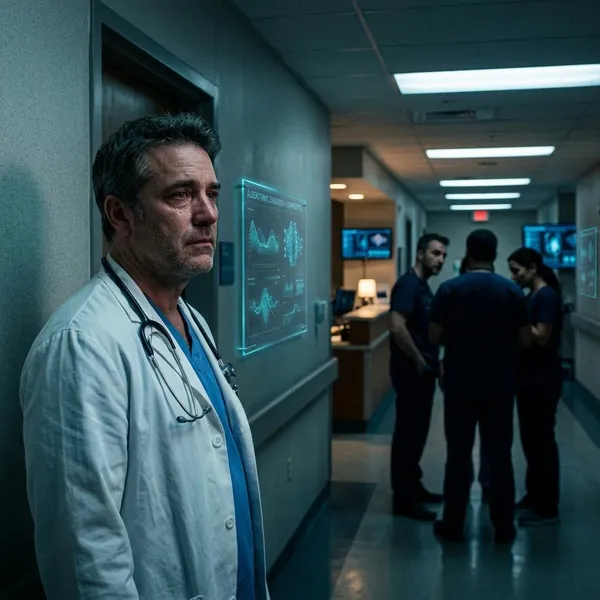
Bitter Pill: The Doctor They Betrayed (AI Animation)
This is the most direct courtroom choice of the three. The drama begins with a doctor trying to make cancer medicine more affordable, then turns that decision into a fight over reputation, profit, patient trust, and legal blame.
It suits viewers who like a clear moral conflict more than technical hospital detail. The medical issue is easy to understand, but the legal pressure gives the story its bite: once patients stop believing him, the doctor has to defend more than one treatment decision.
A doctor offers affordable cancer medicine
The hook is simple: a doctor supports cheaper access to cancer medicine, and that threatens people who benefit from the existing system. That makes the conflict easy to enter even if you do not know much about oncology or hospital politics.
The useful thing to watch for is who gains from making him look reckless. In this kind of story, the legal danger is not just whether the medicine works; it is whether a powerful rival can turn a patient-friendly decision into evidence of wrongdoing.
His patients turn against him
The betrayal works because patient trust is fragile. Once fear spreads, the same doctor who looked compassionate can suddenly look suspicious, especially when other people control the story around him.
- Good fit: you like reputation-collapse plots where public opinion shifts fast.
- Less ideal: you want detailed medical procedure in every episode.
- Watch first: whether the patient backlash feels earned or only used as a shortcut for drama.
He exposes his rival in court
The courtroom scenes are the payoff. The doctor stops only reacting to accusations and begins connecting motives, evidence, and betrayal in front of others.
This title is strongest if you enjoy the moment when a false public narrative starts to crack. It is less about a slow legal process and more about the satisfaction of seeing hidden corruption dragged into the open.

The Genius Intern
The Genius Intern uses a different kind of pressure: the lead has the ability of a surgeon but is hiding behind the position of an intern. Every time she proves she is capable, she also makes it harder to stay unnoticed.
This is the best pick if you prefer hospital suspense over courtroom speeches. The legal claim in her past matters because it shapes every decision she makes, even when the scene looks like a normal diagnosis or emergency response.
A surgeon hides from a massive claim
Her disguise is not just a gimmick. A major claim could destroy her career and expose her to financial or professional ruin, so staying invisible becomes a survival strategy.
The tension is practical: a low-profile intern should not know too much, act too fast, or take control too easily. If you enjoy stories where competence itself becomes dangerous, this setup works well.
Her diagnostic skills attract unwanted attention
Her talent creates the main problem. Correct diagnoses help patients, but they also make coworkers question why an intern sees what others miss.
That makes this series a good choice for viewers who like "hidden expert" plots. If you only want formal malpractice hearings, it may feel indirect at first, but the legal shadow is always there: one exposed identity could reopen the claim she is trying to escape.
A toxic crisis threatens her cover
The toxic crisis is where the story becomes less private. A mass-risk situation forces her to choose between protecting her cover and stepping forward with the skill needed to prevent wider harm.
- For quick suspense: watch how fast the crisis forces her out of the intern role.
- For legal tension: pay attention to who would be blamed if the hospital mishandles the emergency.
- For character stakes: the key question is whether saving people is worth exposing herself.
Framed for Nudes, But I'm a Forensic Doctor
This is the sharpest choice if you want the legal side to revolve around evidence. The title sounds sensational, but the stronger hook is the forensic angle: the lead has to challenge what appears to be obvious proof on her own phone.
It fits a different viewing mood from the first two titles. Instead of a hospital system or medical career claim, the danger starts with a criminal accusation and a digital trail that may not be what it seems.
A roommate makes a criminal accusation
The accusation lands harder because it comes from someone close enough to know her habits, devices, and private life. That makes the framing feel more personal than a random complaint.
For viewers, the first thing to judge is whether the setup gives the roommate believable access. A framing plot only works if the accused person's vulnerability makes sense, especially when the story depends on phone evidence and private images.
Police find photos on her phone
The case becomes dangerous because phone evidence looks convincing at first glance. A device feels personal, so investigators may treat the files as if they explain everything.
The more interesting question is how the files got there. If you like modern legal thrillers, this is the scenario to watch: apparent proof may still need context, source data, transfer history, and a clean chain of handling before it should be trusted.
Missing image codes challenge the evidence
The forensic angle gives the story its real shape. Missing image codes and digital inconsistencies let the lead move beyond denial and attack the evidence itself.
That makes this the best option for a viewer who wants a procedural feel. The drama is still heightened, but the satisfaction comes from watching a technical detail weaken a criminal accusation that looked solid on the surface.
Where to Watch These Medical and Legal Shorts
Most short medical-legal dramas are easiest to find on mobile-first drama apps rather than traditional streaming platforms. Before you get invested, check three things first: whether later episodes are locked, whether subtitles are clear, and whether the ending is available in your region.
ReelShort
ReelShort is a sensible first stop if you like fast hooks and cliffhanger episodes. It is useful for sampling because you can usually tell quickly whether the acting style, pacing, and conflict are for you.
- Good for: quick testing before committing to a full story.
- Check before watching: how many episodes are free before unlocks begin.
- Best viewing style: short breaks, not a slow weekend binge.
NetShort
NetShort is also worth checking for identity secrets, revenge plots, professional scandals, and legal danger. It tends to suit viewers who want the main conflict introduced quickly rather than after several slow setup episodes.
If you are choosing between platforms, do not only compare the first episode. Look at subtitle quality during legal or medical scenes, because one unclear line can change whether a diagnosis, accusation, or piece of evidence makes sense.

Conclusion
The easiest way to choose is by the kind of pressure you want: Bitter Pill for public betrayal and courtroom exposure, The Genius Intern for hidden medical talent under legal threat, and Framed for Nudes, But I'm a Forensic Doctor for a digital-evidence fight. Check the platform access and subtitle quality before you start, because these short dramas depend heavily on twists landing clearly.