Which British Military Shorts Dramas Should Start With?
For a concise British military drama, Deserters and Ghanimah offer two sharply different views of duty. Deserters follows a frightened soldier struggling to survive after fleeing combat, creating a tense wartime story shaped by fear and guilt. Ghanimah, by contrast, focuses on a family conflict before a young man enlists, exploring the emotional cost of military ambition without taking the story onto the battlefield. Choose Deserters for immediate wartime tension, or Ghanimah for a quieter, character-driven drama about the pressure behind a military decision.
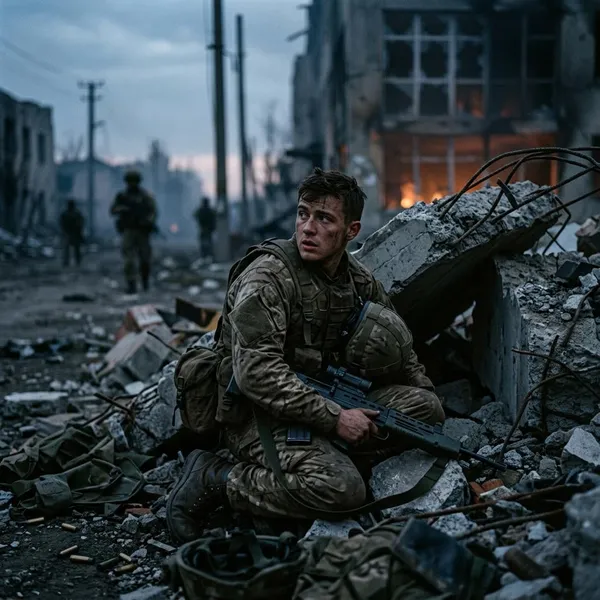
Deserters and the Struggle to Survive
Deserters works best if you like war stories where the danger is close, quiet, and psychological rather than built around large combat scenes. Its main question is not whether war is heroic, but what a scared person does when duty feels impossible to carry.
A young recruit flees the fighting
The young recruit's decision to run gives the short its immediate tension. The film does not treat desertion as a simple label; it lets fear, exhaustion, and survival instinct sit uncomfortably beside the idea of military duty.
That makes the character easier to read as a person rather than a lesson. If you prefer war dramas that ask "what would I do under pressure?" instead of only celebrating courage, this is the part of the film that will likely hold your attention.
An Irish officer offers uncertain refuge
The Irish officer brings a different kind of risk into the story. Shelter is offered, but it never feels fully safe, because help in wartime can come with suspicion, calculation, or a changing sense of loyalty.
This is where Deserters becomes more than a chase or escape short. A viewer expecting clear heroes and villains may find the mood slippery, but that uncertainty is the point: the film is interested in trust when nobody has the luxury of feeling secure.
A German captive tests their alliance
The German captive sharpens the conflict because he forces the characters to make practical and moral choices at the same time. Keeping someone alive, controlling a threat, and deciding who can be trusted all become part of the same problem.
- Best fit: viewers who want tense, compact wartime drama.
- Less ideal: viewers looking for battle spectacle or a broad military campaign.
- What to watch for: small shifts in power, fear, and dependence between the characters.
Ghanimah and the Decision to Enlist
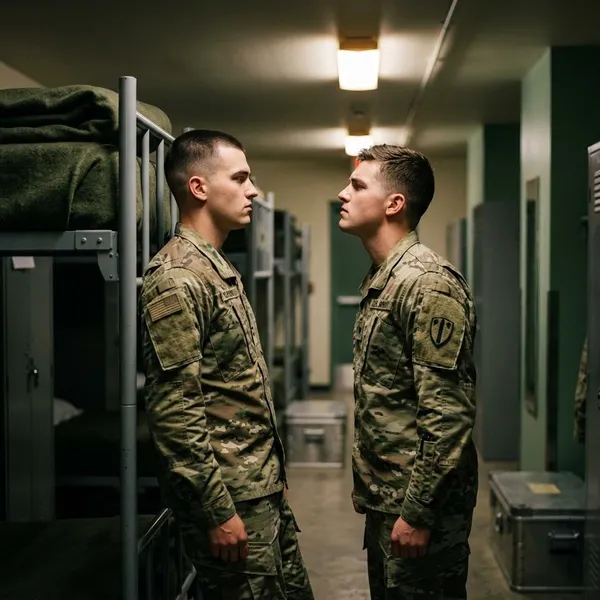
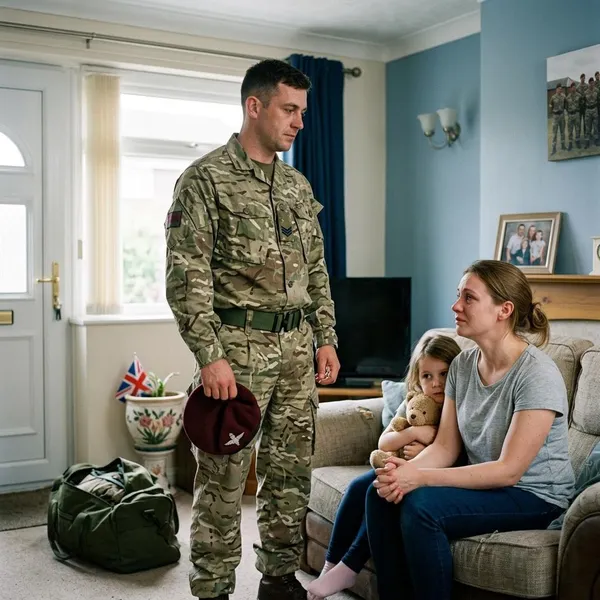
Ghanimah is a quieter military drama because it looks at the step before service begins. The conflict stays in the home, where one person's plan to enlist becomes everyone's problem to answer.
A son announces his military ambitions
The son's wish to join the military is treated as serious, not childish or merely rebellious. He may see enlistment as a route into purpose, discipline, identity, or adulthood, and the short gives that desire enough weight to make the family argument feel fairer.
For a viewer who has seen military service discussed inside a family, this setup will feel familiar: one person talks about a future, while everyone else hears risk, loss, pride, or fear depending on their own history.
His father and brother challenge his choice
The father and brother do not simply object for the sake of control. Their resistance appears tied to what they believe service could cost, and that makes the disagreement more painful than a normal career argument.
- The son sees a path forward. Enlistment may feel like purpose rather than danger.
- The father sees possible loss. His reaction carries protective force.
- The brother adds pressure from inside the same generation. His challenge makes the conflict feel less one-sided.
Family grief deepens their conflicting loyalties
Grief is what keeps Ghanimah from becoming a simple "young man versus family" story. The argument is not only about joining the army; it is also about memory, unresolved pain, and how much one person is allowed to risk when others are still carrying the past.
This makes the short a better choice for someone in the mood for family drama than for someone wanting action. If you are watching with a viewer who prefers social realism or domestic conflict, Ghanimah will probably land more easily than a combat-heavy war film.
Where to Watch These British Military Shorts
Both shorts can be looked for on YouTube, which makes them easier to sample than a full series or feature film. Before watching, check that the upload is from the expected channel, that the title matches the film, and that the video is still available in your region.
Omeleto on YouTube for Deserters
Deserters is associated with Omeleto on YouTube, subject to current availability. Search for the title with "Omeleto," then confirm the upload comes from the channel rather than a repost or unrelated film with a similar name.
It is worth watching without much distraction because the short relies on tension, facial reactions, and shifting trust. If you only have time for one film and want the more traditionally wartime option, this is the clearer first choice.
Million Youth Media on YouTube for Ghanimah
Ghanimah is associated with Million Youth Media on YouTube, again depending on whether the upload remains available where you are. Search the title with the channel name and read the description if you want to confirm you have the right short.
Choose it when you want the military theme filtered through home life rather than combat. It is also the better pick for a short viewing session with someone who does not normally choose war films but is open to stories about family pressure, grief, and personal choice.
Conclusion
Deserters and Ghanimah are strongest when seen as companion pieces rather than competitors. Watch Deserters for fear, survival, and unstable wartime trust; watch Ghanimah for the family damage that can begin before anyone reaches a battlefield. Together, they show why a short military drama can be effective without needing a long runtime or large-scale combat scenes.